From this Texas Dietitian: School Lunch Just Got a Whole Lot Better
As a Registered Dietitian and Texas mom of two, here are my thoughts as Eat Real’s K-12 nutrition standards begin rolling out in Texas cafeterias.
This blog post was written in partnership with Eat Real
Children are facing a growing health crisis, with higher rates of obesity and risk for chronic, diet-related diseases than ever before. Supporting their health through everyday habits is not just important – it’s essential.
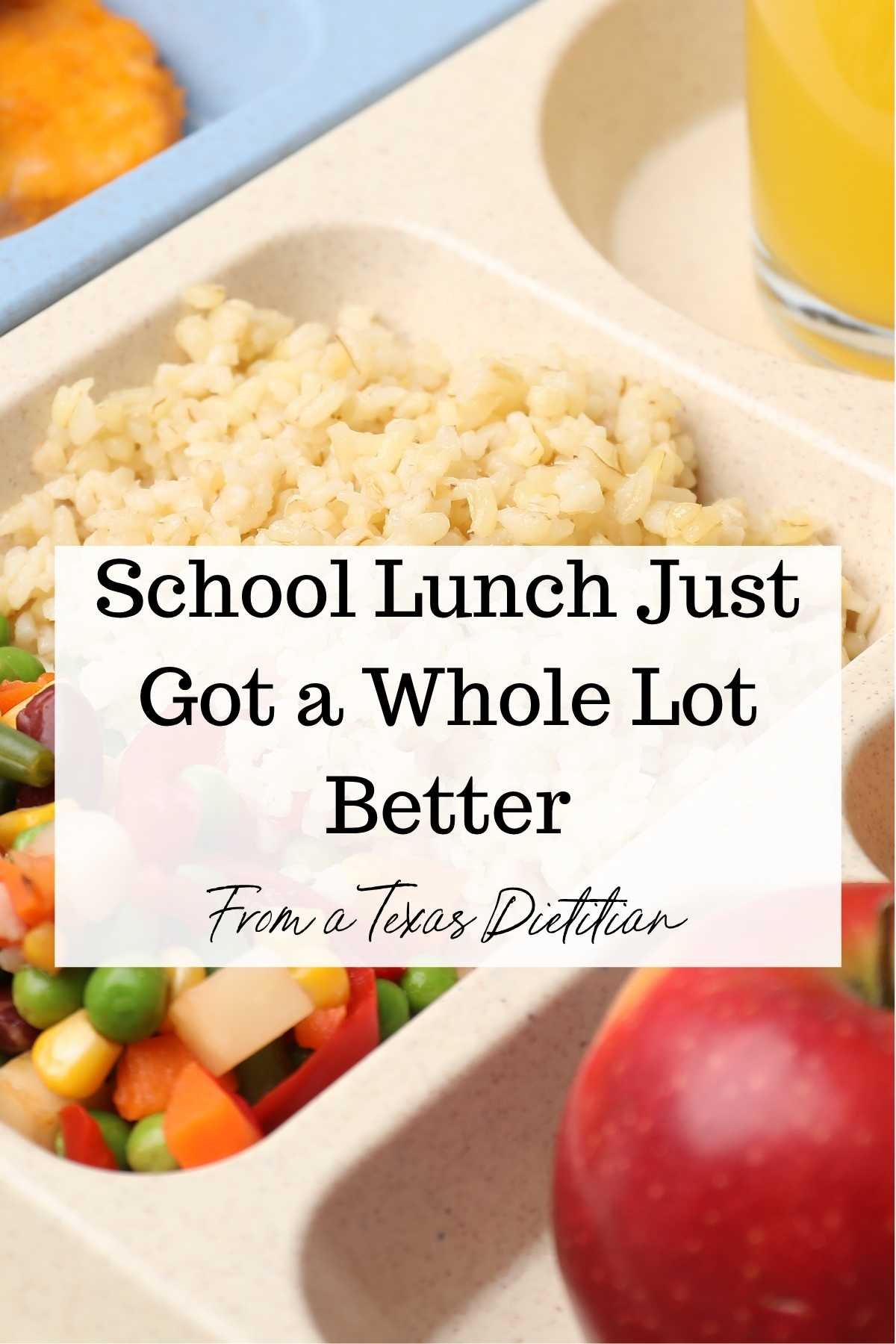
Nutrition plays a key role in both current wellness and long-term health outcomes, and this is true for our kids as well. In Texas alone, over 3 million students rely on school meals every day. This makes our schools a key opportunity to nourish our kids, support their health, and establish a foundation for healthy meal decisions in their future.
That's why, as a dietitian and mom, I'm excited to learn that Eat Real, a non-profit focused on enhancing school meals, is officially in Texas! They'll work alongside foodservice leaders across our state to make school meals that support the health and wellbeing of students, and support our local economy.
From this Texas Dietitian: School Lunch Just Got a Whole Lot Better
Eat Real: Doctor-led, Science-backed, Foodservice-approved
Eat Real exists to prevent diet-related illness before it starts. Their award-winning school food certification program helps K-12 foodservice leaders make their menus more delicious, nutritious, and responsibly sourced.
Eat Real Certification consists of 10 evidence-based standards that measure 34 key performance indicators in a school district’s menu plans and procurement practices. And the best part: it’s free to districts!
From Georgia to Michigan to California, it’s impressive to see their model being implemented across the country.
With Texas’ deep roots in agriculture and many communities already prioritizing local food systems, I believe our state is a great place to implement Eat Real’s standards.
My take on Eat Real’s Standards:
Eat Real’s standards are not only centered around the lunch tray, but also responsible food sourcing and education. This creates a comprehensive health approach that is both realistic for schools to implement and effective for students.
Created in partnership with leading doctors, nutrition scientists, foodservice pros, and agricultural experts, these 10 evidence-based standards include:
1. Reduced Sugar
2. Whole Grains
3. Fresh Choices
4. Healthy Fats
5. Minimal Processing
6. Menu Variety
7. Sustainable Produce
8. Responsible Proteins
9. Waste Prevention
10. Real Food Education
While all 10 standards are important, a few really stand out to me as a dietitian and mom:
Reduced Sugar : Added sugar is a leading source of extra calories in a child's diet and can change flavor preferences among students, causing them to gravitate towards higher sugar options.
Beyond the calories and preferences, too much sugar can also make it difficult for children to focus in class or lead to energy crashes in the day. By reducing sugar in school meals and beverages, Eat Real supports students energy, focus, and health.
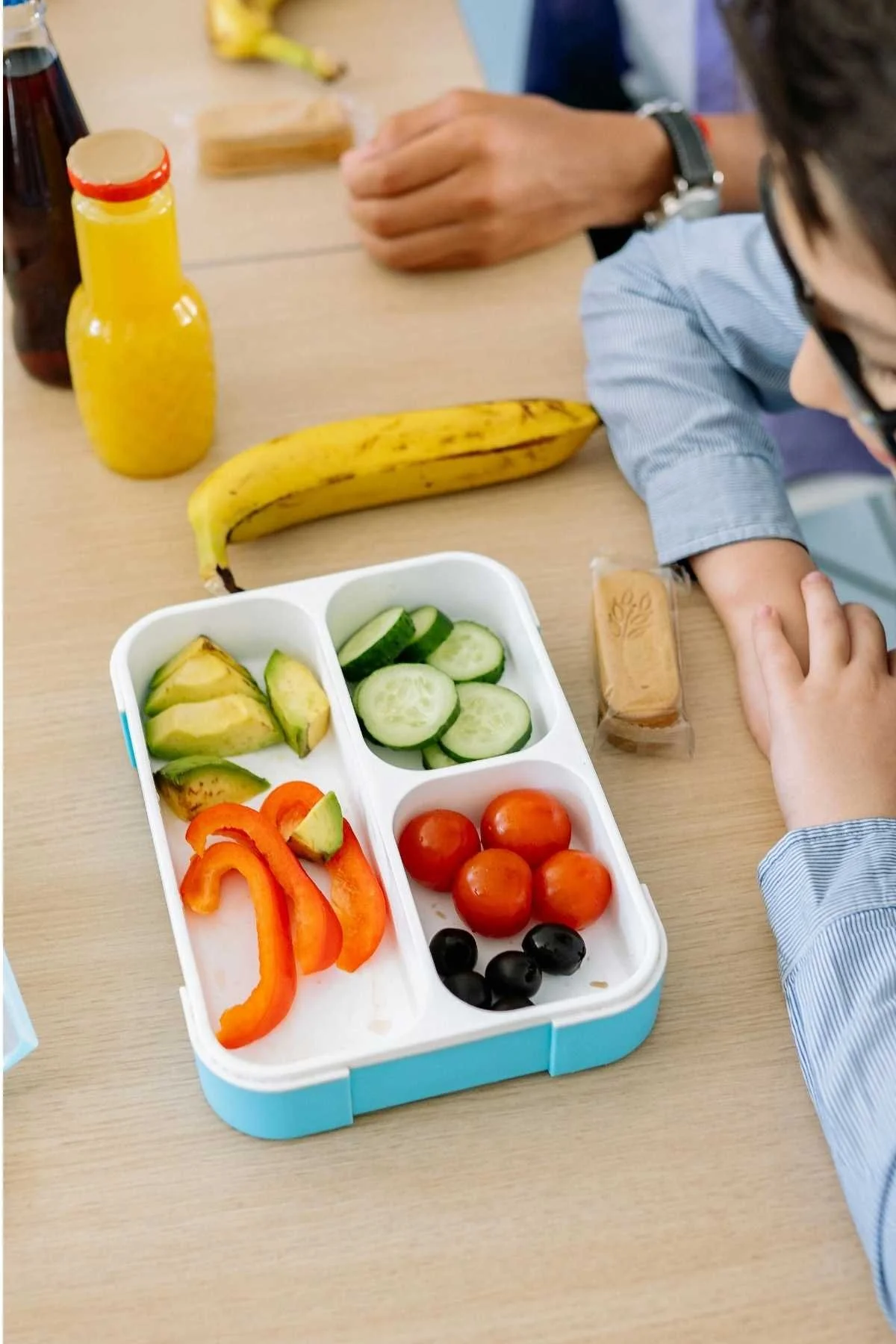
Fresh Choices : Offering students daily access to fruits and vegetables helps establish the rhythm of regularly including produce in meals and snacks.
Beyond the repeated exposure to healthy foods, access to fruits and vegetables provides nutritious alternatives to ultra-processed snacks that a student may otherwise choose. Prioritizing fresh produce in schools also results in investment in local farmers.
Menu Variety: Variety plays a key role in nutrition. It helps expose kids to new foods and flavors, offers a broader range of nutrients, and keeps meals from feeling boring. As a dietitian and mom trying to feed kids with different preferences, I also like that menu variety can ensure that every student can find something they enjoy.
Eat Real’s Menu Variety standard also emphasizes cultural relevance, encouraging districts to provide food options that kids are familiar with and enjoy!
Real Food Education: Eating nutritious and sustainable foods is important, but learning the “why” behind your food choices is just as essential. By focusing on real food education, children are more likely to carry their knowledge of healthy eating habits into adulthood.

Eat Real Certification
Read more about Eat Real here!
The takeaway:
Supporting our children’s health does not require perfection, but it does require consistent exposure and intentional education. As Eat Real launches in Texas, there is an opportunity to improve the school meals that feed millions of students every day and help shape healthier habits to support lifelong health.
Liked this blog? Check out some of my other nutrition tips for kids:
*These blogs may contain affiliate links. Any purchase made through my links gives me a small commission and supports Lauren Twigge Nutrition.
Hey! I’m Lauren
I’m a Registered Dietitian and busy toddler mom committed to bringing you delicious, nutritious, and easy-to-make recipes!